Watercolor Hat Gardening Tool Paint Review
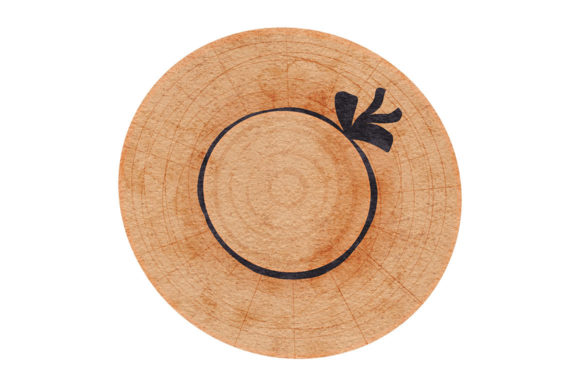
As a designer who spends more time at the hoop than away from it, I approach every new machine embroidery design with a mix of curiosity and skepticism. We've all downloaded files that looked stunning on a screen but turned into a tangled mess of thread breaks and puckering on actual fabric. That is why I took a close look at Watercolor Hat Gardening Tool Paint before committing it to a client project. This isn't just about whether the image is cute; it is about whether this Illustrations piece holds up under the needle when you are trying to build a reputation for quality.
First Impressions and Visual Personality
When I first opened the preview for Watercolor Hat Gardening Tool Paint, the mood was immediately clear. It captures that soft, organic feel of a watercolor painting but translates it into something structured enough for stitching. The layout feels balanced, avoiding the common pitfall of overcrowding details that simply cannot be rendered in thread. For those of us selling handmade products, visual personality is everything. This design speaks to the "slow living" and gardening niches that are currently dominating Etsy and boutique markets.
The charm here lies in the interpretation of the tools. Rather than rigid, industrial lines, the design suggests a gentle, artistic approach to gardening. This makes it an ideal candidate for personalized gifts where the recipient values aesthetics as much as utility. However, a pretty picture on a monitor does not guarantee a pretty finished product. The true test is how those watercolor-style gradients translate into thread colors and stitch types without losing definition.
Real-World Application: The Custom Tote Scenario
To give this design a fair shake, I imagined a specific real-life scenario: a custom order for a local garden club needing branded tote bag design items for their spring planting event. They wanted something that felt artisanal, not corporate. Watercolor Hat Gardening Tool Paint fit the brief perfectly on paper.
In this context, the design would likely be stitched onto a canvas or heavy cotton tote. The texture of the fabric plays a huge role here. On a smooth, tight-weave canvas, the fill stitch areas of the tools would lay flat and vibrant. If I were using this for sweatshirt embroidery on a fleece backing, I would need to be mindful of the fabric's loft potentially swallowing up finer details. For the garden club project, I would recommend using a cut-away stabilizer to ensure the weight of the gardening tools doesn't distort the bag over time as it gets filled with soil and produce.
This kind of embroidery project relies on customer trust. If the stitching looks sloppy or the colors bleed into each other unintentionally, the perceived value of the item drops. With Watercolor Hat Gardening Tool Paint, the separation of elements seems distinct enough to maintain clarity, which is crucial for brand consistency if a small shop is using this as part of their merchandise line.
Navigating Fabric Challenges and Stitch Density
While the design is versatile, it is not without its constraints. Any experienced Etsy seller knows that one size does not fit all. If you plan to use Watercolor Hat Gardening Tool Paint on stretchy fabrics like jersey knits for baby embroidery projects, you must proceed with caution. The stitch density appears moderate, but on highly elastic material, even a standard density can cause puckering if the stabilizer isn't robust enough.
Furthermore, consider the surface you are stitching on. Curved surfaces, such as caps or hats, require careful hooping. While the title mentions a "Hat," applying a detailed illustration to a structured cap requires checking the hoop size compatibility. If the design is too wide, it might hit the seam or the brim, ruining the alignment. For textured fabrics like linen towels or waffle weaves, the running stitch outlines might get lost in the weave. In these cases, I always advise doing a test run on a scrap piece of the exact same fabric.
Dark fabrics present another consideration. Since this design relies on a watercolor aesthetic, it likely uses lighter or mid-tone threads. Stitching this directly onto a black apron or navy sweatshirt might result in poor contrast unless the design includes a solid underlay or a backing layer. Always check how the digital embroidery file handles color changes and whether you need to manually adjust the sequence for dark garments.
Enhancing Product Value and Brand Appeal
Why choose this specific design over a generic clipart conversion? The answer lies in the perceived professionalism. A well-digitized Illustrations file like Watercolor Hat Gardening Tool Paint elevates a simple item into a boutique product. When a customer sees clean satin stitch borders and smooth fills, they recognize the effort involved. This recognition translates directly into higher price points and repeat business.
For commercial embroidery ventures, consistency is key. If you are producing a run of twenty aprons for a florist shop, every single one needs to look identical. This design's structure suggests it is stable enough for repetition, provided your machine tension is dialed in. It adds a touch of whimsy that mass-produced screen printing often lacks, giving your small shop product a unique edge in a crowded marketplace.
Practical Notes for the Working Designer
Before you sell your first item featuring Watercolor Hat Gardening Tool Paint, here are a few practical steps I recommend taking:
- Test on Scrap Fabric: Never skip the stitch-out test. Use the same fabric and stabilizer combination you intend to use for the final product to check for registration issues.
- Check Thread Contrast: View your test stitch-out in black and white or step back six feet. Do the gardening tools stand out, or do they blend into the background?
- Review Stitch Density: If the design feels too stiff after stitching, you may need to reduce the density slightly in your editing software, especially for wearable custom apparel.
- Inspect Small Details: Look closely at the corners of the tools. Are there excessive jumps or trims that could weaken the thread?
- Verify Licensing: Always confirm the license terms attached to the embroidery file. Ensure you are cleared for commercial use if you plan to sell finished goods or digital previews.
- Mockup Verification: Create printable mockups to show clients how the design looks on different colored garments before they commit to a purchase.
Ultimately, Watercolor Hat Gardening Tool Paint offers a lovely blend of artistic flair and functional design. It is not just a decorative element; it is a tool for storytellers who want to convey a love for nature through thread. Whether you are creating a holiday embroidery gift for a green-thumbed friend or stocking your online store with spring-ready goods, this design has the potential to perform beautifully—if treated with the respect and technical preparation it deserves.
Remember, the best design assets are the ones that make your job easier and your customers happier. By understanding the nuances of how this design interacts with different materials and machines, you can ensure that every embroidered patch, towel, or tote you create becomes a testament to your skill as a maker.