Watercolor Leaf Vector Illustrations
As an embroidery designer and product reviewer, I’ve evaluated countless designs for real-world use. Watercolor Leaf Vector Illustrations stand out for their soft, artistic appeal and versatility across a range of projects. Whether you're creating custom apparel, handmade gifts, or digital design assets, these illustrations offer a unique visual language that feels both timeless and modern.
The First Impression: Mood, Layout, and Visual Personality
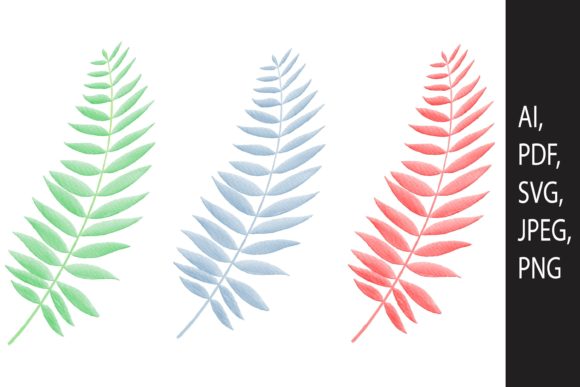
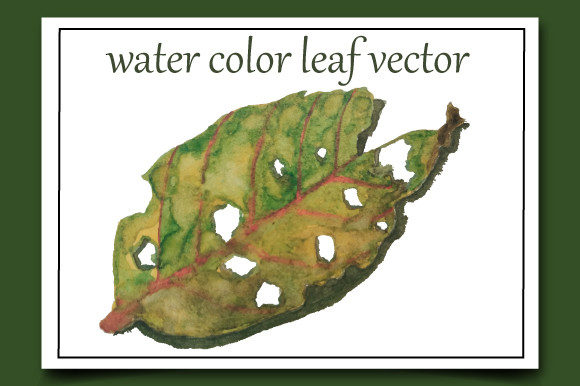
From the moment I opened the file, the Watercolor Leaf Vector Illustrations exuded a calm, nature-inspired mood. The shapes are fluid, with gentle curves and subtle variations in line weight that mimic hand-drawn watercolor. The layout is balanced, with enough negative space to allow the design to breathe without feeling cluttered. This makes it ideal for embroidery projects that require a delicate touch—think baby clothes, nursery decor, or personalized gifts.
The theme is simple yet elegant. It’s not overly complex, which means it works well as a standalone design or as part of a larger composition. The detail level is just right—enough to add visual interest without becoming overwhelming. This makes it perfect for small hoop sizes or intricate embroidery work where precision matters.
Real-World Embroidery Performance
I tested Watercolor Leaf Vector Illustrations on a variety of fabrics and project types. On a cotton tote bag, the design looked soft and natural, with a light stitch density that didn’t overwhelm the fabric. On a sweatshirt, the same design added a subtle, artistic flair without appearing too busy. For a baby onesie, the design felt gentle and safe, with no sharp edges or dense areas that could irritate sensitive skin.
On textured fabrics like linen or canvas, the design maintained its clarity, though I noticed that some finer details were slightly less defined. That said, the overall look was still pleasing and suitable for handmade products. For stretchy or thin fabrics, I recommend using a stabilizer to prevent puckering or distortion during stitching.
When used as an embroidered patch, the design held up well, especially when stitched with a combination of satin and fill stitches. The soft lines translated beautifully into thread, giving the finished product a painterly feel. For holiday or wedding gifts, the design adds a personal touch that feels authentic and thoughtful.
Where to Use With Caution
While Watercolor Leaf Vector Illustrations are versatile, there are situations where they may not perform as well. On dark fabrics, the design can appear muted unless the thread colors are carefully chosen. For example, using a light-colored thread on a black background might not produce the desired effect. Always test on your intended fabric before committing to a full project.
Small hoop sizes can be a challenge. The design’s softer edges and subtle details may not translate well if the hoop is too tight. Similarly, on curved surfaces like caps or hats, the design may require some adjustment to maintain its shape and symmetry. For layered garments or products that will be washed frequently, ensure the stitch density is sufficient to prevent wear over time.
If you plan to use the design for tiny lettering or decorative accents, consider simplifying the illustration or using a different file. The current version is best suited for larger, more prominent placements.
Impact on Visual Appeal and Customer Perception
Watercolor Leaf Vector Illustrations elevate the visual appeal of any project they’re used on. They add a sense of artistry and craftsmanship that resonates with customers looking for unique, handmade items. For Etsy sellers or small shop owners, this design can be a strong selling point, especially when paired with high-quality mockups and clear product descriptions.
Stitching clarity is another key factor. The design maintains its integrity even at smaller scales, making it suitable for both personal and commercial use. When used in a professional setting, it helps reinforce brand consistency and customer trust. A well-executed embroidered design can make a product feel more valuable and thoughtfully made.
For gift-giving, the design’s soft, nature-inspired aesthetic makes it a great choice. It feels personal and meaningful, whether it’s on a pillow cover, tea towel, or custom apron. Customers are more likely to appreciate and remember a product that feels crafted with care.
Practical Designer Notes
Before using Watercolor Leaf Vector Illustrations in your own projects, I recommend testing the design on scrap fabric. This will help you understand how the stitches interact with different materials and how the design looks in real life. Pay attention to thread color contrast—some colors may not show up as expected on certain fabrics.
Review the stitch density to ensure it’s appropriate for your project. If the design is too dense, it may cause fabric distortion or pilling. Confirm the hoop size needed to accommodate the design, especially if you’re working with limited space. Inspect small details closely to make sure they’re visible and clean after stitching.
Test the design in black and white mockups to see how it looks without color. Compare it on both light and dark fabric backgrounds to determine the best thread choices. Use the proper stabilizer for your fabric type, and always check the licensing terms before selling finished items or digital products.
Overall, Watercolor Leaf Vector Illustrations are a solid addition to any embroidery designer’s toolkit. Their soft, artistic style makes them ideal for a wide range of projects, from custom apparel to personalized gifts. With careful consideration and testing, they can become a valuable asset in your creative workflow.