Watercolor Casino: A Designer's Review for Real Embroidery
When I first pulled up the Watercolor Casino file on my screen, I didn't just see a digitized image; I saw a potential bestseller for a boutique client. As someone who spends more time under a magnifying lamp checking stitch paths than I do sleeping, I approach every new machine embroidery design with a critical eye. This isn't about whether it looks pretty in a thumbnail; it's about how it behaves when 10,000 stitches hit a piece of French terry or a structured cap. Today, I'm breaking down this specific Illustrations piece to help you decide if it fits your next embroidery project.
The First Impression: Mood and Visual Personality
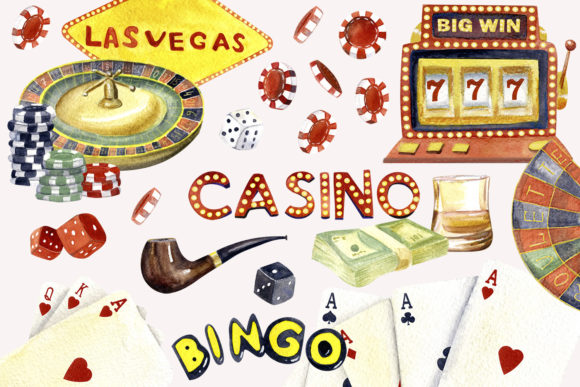
The immediate vibe of Watercolor Casino is playful yet sophisticated. It captures that loose, artistic feel of a watercolor painting but translates it into thread with surprising discipline. The layout suggests a blend of chance and luxury, likely featuring dice, cards, or chips rendered in soft, bleeding edges rather than hard, vector lines. For a designer, this is a double-edged sword. Soft edges create beauty, but they demand precise stitch density management to avoid looking muddy.
The color palette implied here is crucial. Watercolor styles rely on the interplay of light and dark to create depth. In an embroidery file, this means the digitizer has likely used a mix of fill stitch gradients and perhaps some delicate running stitch outlines to define the shapes without boxing them in. If you are looking for something rigid and corporate, this isn't it. But if you want to inject personality into a brand, this design screams "creative entrepreneur."
Real-World Application: The Tote Bag Test
Let's get practical. Imagine you are preparing a custom order for a local bridal shower. The client wants chic, reusable tote bag design options for the bachelorette party, themed around a "Vegas Night." This is where Watercolor Casino shines. I visualized this stitched onto a natural canvas tote. The organic nature of the watercolor style complements the texture of canvas perfectly.
However, execution matters. On a tote, you have a flat, stable surface, which is ideal. I would recommend using a medium-weight cutaway stabilizer to ensure the fabric doesn't pucker, especially if the design has dense areas. The result? A handmade product that looks like it was painted by hand but offers the durability of thread. Customers love that artisanal look; it elevates the perceived value of the item immediately.
Another strong contender for this design is sweatshirt embroidery. Picture a oversized, heather-grey crewneck. Placing Watercolor Casino on the left chest or as a large back print creates a streetwear aesthetic that is currently trending. The softness of the design prevents it from feeling too aggressive on casual wear, making it a versatile choice for custom apparel lines.
Navigating Fabric Challenges and Technical Constraints
While I love the aesthetic, we need to talk about where this design might struggle. Watercolor effects often rely on subtle color transitions. If you attempt this on a dark fabric without proper underlay or if the thread colors aren't vibrant enough, the details will vanish. Always test your thread color contrast on scrap fabric before committing to the final garment.
Curved surfaces are another consideration. If you plan to use this for an embroidered patch to be sewn onto a curved cap, be wary of the distortion. The fluid lines of a watercolor style can look warped if the hooping tension isn't perfect on a structured hat. For caps, I'd suggest checking if the design fits within a standard 4x4 or 5x7 hoop size without losing its integrity. If the details are too fine, they might collapse on the curve.
Furthermore, consider the end-user's lifestyle. If this is going onto a kitchen towel or a baby item that requires frequent washing, inspect the density. High-density fills can become stiff and uncomfortable against skin. For baby embroidery, you might need to request a lighter version of the file or ensure the backing is soft enough not to irritate sensitive skin. Always verify the stitch count and density recommendations provided with the digital embroidery file.
Boosting Brand Value and Customer Trust
For Etsy sellers and small shop owners, the visual appeal of your listing is everything. Watercolor Casino offers a unique selling point because it moves away from the standard, blocky clip-art style often seen in mass-produced goods. Using this in your printable mockup previews can significantly increase click-through rates. It signals to the buyer that you care about design nuance.
When a customer receives a finished product with this level of detail, it builds trust. They see that you didn't just grab the first free file you found; you curated a design that fits the theme perfectly. Whether it's a holiday gift, a wedding favor, or a piece of boutique branding, the professionalism of the stitch-out reflects directly on your business reputation.
Practical Notes for the Studio
Before you start stitching, here is my checklist for working with Watercolor Casino:
- Test on Scraps: Never skip this. Stitch the design on the exact fabric you intend to sell. Check for puckering and registration issues.
- Check Licensing: Since this falls under Illustrations, confirm the license terms. Can you sell the physical item? Can you sell the digital file? Most designers allow finished goods but restrict file resale.
- Stabilizer Selection: Match your stabilizer to your fabric. Woven fabrics usually need cutaway; knits might need tear-away or a combination depending on the weight.
- Mockup Variations: Create black and white mockups to ensure the design holds its shape even without color. This helps identify if the contrast is sufficient.
- Detail Inspection: Zoom in on the smallest elements. If there are tiny text elements or thin lines, ensure they won't get lost in the wash.
In conclusion, Watercolor Casino is a robust choice for designers looking to add a touch of artistic flair to their commercial embroidery catalog. It bridges the gap between digital precision and traditional artistry. While it requires a bit more thought regarding fabric choice and stabilization than a simple monogram, the payoff in aesthetics and customer engagement is well worth the effort. Whether you are creating a one-off personalized gift or scaling up a small shop product line, this design has the versatility to perform beautifully if handled with a professional touch.