Watercolor Candy Heart Sublimation: A Designer's Review
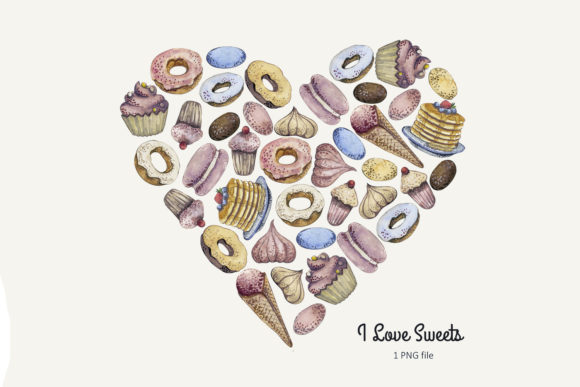
When I first pulled up the Watercolor Candy Heart Sublimation file on my screen, my immediate reaction wasn't just about the cuteness factor; it was about translation. As an experienced designer, I know that what looks vibrant in a digital Illustrations portfolio doesn't always survive the journey to the needle. This design carries a specific mood—nostalgic, sweet, and undeniably Valentine-forward—but the real question for us crafters is whether it holds up as a functional machine embroidery design or if it remains strictly a sublimation asset.
The Visual Personality and First Impressions
The aesthetic here is soft and dreamy. The watercolor effect suggests bleeding edges and gradient shifts that are notoriously difficult to replicate with thread. In a sublimation context, these gradients are seamless. However, when we talk about adapting this for an embroidery project, we have to look at how those soft edges translate into satin stitch or fill stitch territories. The layout feels organic, avoiding rigid geometric lines, which gives it a handmade charm that fits perfectly with the current trend of imperfect, artisanal goods.
For a small business owner or Etsy seller, this visual personality is gold. It speaks directly to customers looking for personalized gifts that feel thoughtful rather than mass-produced. The theme is versatile enough to move beyond just February 14th; with the right thread choices, it could work for baby showers, bridal parties, or even as a year-round boutique product if styled correctly.
Real-World Application: The Tote Bag Test
To truly evaluate this design, I imagined a specific real-life scenario: creating a custom tote bag design for a local farmer's market pop-up shop. I envisioned using a heavy canvas tote, something with enough structure to support the weight of the stitching without puckering. If I were to digitize this watercolor concept into an embroidery file, the goal would be to capture the "candy" aspect without making the final product look like a plastic sticker.
In this scenario, the Watercolor Candy Heart Sublimation serves as the perfect reference image. If used strictly as a sublimation transfer on a polyester-blend tote, the colors would pop incredibly well against a white background. But if we are talking about stitching it, the stitch density becomes critical. A dense fill might lose the watercolor nuance, turning the heart into a solid block of color. A skilled digitizer would need to use varying angles in the fill stitch or perhaps incorporate running stitch details to mimic the brushstroke texture of the original art.
For a sweatshirt embroidery project, this design would shine on a heather grey or soft pink fleece. The texture of the fabric combined with the soft edges of the heart creates a cohesive, cozy finished product. Customers reacting to this in a retail setting would likely perceive it as high-value because it avoids the harsh, computer-generated look of standard clipart.
Navigating Fabric and Hoop Challenges
While the design is charming, there are practical limitations we must address before committing to a production run. If you are planning to use this on stretchy fabric like a thin cotton tee or a jersey knit baby onesie, caution is required. Watercolor effects often imply large areas of coverage. Large filled areas on stretchy materials can lead to distortion after washing unless a high-quality cut-away stabilizer is used.
Furthermore, consider the hoop size. If the design includes tiny lettering often found on candy hearts (like "BE MINE" or "XOXO"), you need to ensure your machine can handle small details without thread breaks. On a curved surface like a cap, the watercolor gradient might get lost if the digitizing isn't adjusted for the curve. In those cases, simplifying the design to an applique design might be a smarter move. By cutting a heart shape from felt or twill and stitching the watercolor details on top, you reduce bulk and maintain clarity.
Dark fabrics present another hurdle. Since this is inherently a light, pastel-heavy theme, stitching it directly onto navy or black fabric will require significant underlay and potentially lighter thread colors that might not contrast enough to show the "watercolor" effect. In such cases, this design is better suited for light-colored garments or used as a printed transfer rather than direct stitching.
Impact on Brand and Customer Trust
Using a cohesive design like Watercolor Candy Heart Sublimation across your product line can significantly boost brand consistency. Whether you are selling holiday embroidery items or nursery decor, the soft aesthetic builds trust. It tells the customer that you care about the visual harmony of your handmade product. A sloppy execution of a delicate design, however, can have the opposite effect. If the thread colors clash or the edges fray, it undermines the professionalism of your craft business.
For commercial embroidery projects, the perceived value of the item increases when the design looks intentional. A well-executed version of this heart on a high-quality linen pillow cover or a kitchen towel transforms a simple household item into a giftable keepsake. It enhances buyer engagement because the design invites a closer look, encouraging customers to touch the texture and appreciate the craftsmanship.
Practical Notes for the Studio
Before you launch this design into your shop, here are a few essential steps to take:
- Test on Scrap Fabric: Always stitch out a sample on the exact fabric you intend to sell. Watch how the threads interact with the weave.
- Check Thread Contrast: Ensure your thread colors provide enough distinction to mimic the watercolor layers without muddying together.
- Review Stitch Density: If the design feels too stiff after stitching, ask your digitizer to reduce the density or increase the pull compensation.
- Mockup Verification: Create printable mockups in both color and black-and-white to see how the design reads without the distraction of hue.
- Licensing Check: Confirm the license terms. Just because a file is labeled for sublimation doesn't automatically grant rights for commercial digital embroidery file sales or unlimited physical product sales.
Ultimately, Watercolor Candy Heart Sublimation is a versatile asset that bridges the gap between digital art and tactile creation. Whether you choose to sublimate it onto a polyester blend or interpret it through thread for a custom apparel line, its success lies in the preparation. By respecting the limitations of the medium and leveraging the design's inherent sweetness, you can create small shop products that resonate deeply with your audience. It is a reminder that in our industry, the best designs are those that inspire us to think critically about how they will live in the real world.