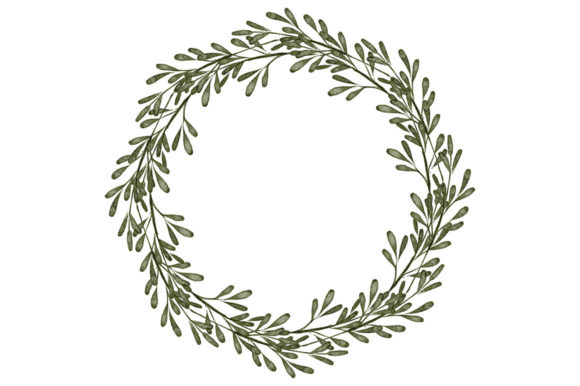
Review: Watercolor Leaf Circle Border Wreath for Real Projects
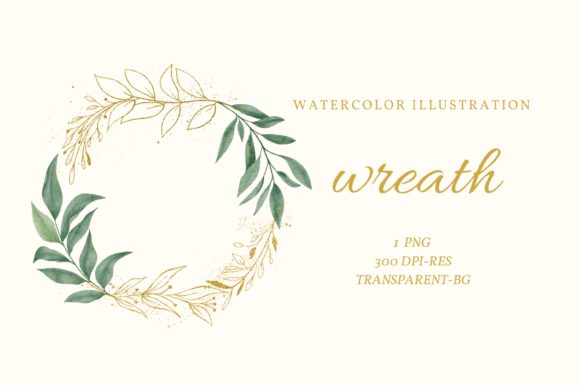
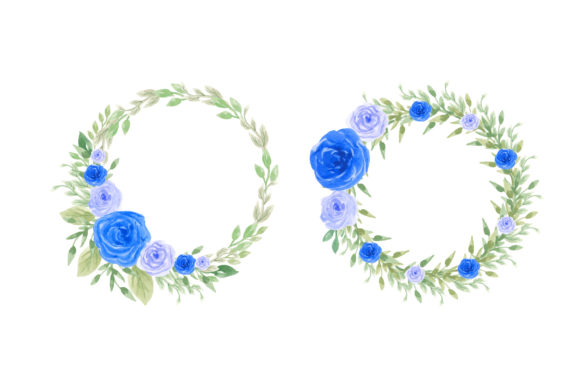
When I first pulled up the Watercolor Leaf Circle Border Wreath on my screen, my immediate reaction wasn't just about whether it was "cute." As someone who spends hours hooping fabric and troubleshooting thread breaks, I look for structural integrity and visual flow. This design falls under the Illustrations category, which often signals a more artistic, less rigid approach than traditional monograms. The mood here is soft, organic, and inviting. It feels like something that belongs in a sunlit nursery or on a high-end boutique tote rather than a sports team jersey. The circular layout is classic, but the watercolor influence suggests a blending of tones that needs to be handled carefully in thread form.
First Impressions and Visual Personality
The charm of this machine embroidery design lies in its attempt to mimic the fluidity of paint with thread. In a digital embroidery file, watercolor effects are tricky. You are trading gradient blends for distinct thread colors and stitch types. Upon closer inspection, the wreath relies heavily on varied fill stitch directions to create depth. The leaves aren't uniform; they overlap in a way that suggests movement. For a designer, this is promising because it avoids the "stamped-on" look that plagues cheaper designs. However, the success of this aesthetic depends entirely on your thread choice. If you use flat, matte cotton threads, you might lose some of the intended luminosity. I would recommend testing this with rayon or polyester threads that have a slight sheen to emulate that wet-paint look.
Real-World Application: The Boutique Tote Scenario
Let's move from the screen to the hoop. I recently considered using the Watercolor Leaf Circle Border Wreath for a custom order involving canvas tote bag design for a local florist. The client wanted something elegant but not overly formal for their market stalls. This design fit the bill perfectly. The circular border acts as a natural frame, ideal for placing a shop name or a short tagline in the negative space in the center.
On a sturdy canvas tote, the stitch density of the wreath held up well. The fill stitch areas provided enough coverage to hide the weave of the fabric without becoming so dense that the bag puckered. When stitched out, the finished product looked professional and high-value. It elevated a simple $5 bag into a $25 branded item. Customers at the craft fair were drawn to the texture; the varying angles of the stitches caught the light differently than a standard satin border would. This is exactly the kind of detail that builds customer trust and encourages repeat business for an Etsy seller or small shop owner.
Versatility Across Different Products
Beyond totes, I can see this embroidery project working beautifully on several other items:
- Sweatshirt embroidery: Placed on the upper left chest or as a large back print, the soft edges complement the cozy texture of fleece.
- Baby embroidery: The gentle, non-aggressive lines make it perfect for bibs or onesies, provided the stitch count isn't too high for delicate skin.
- Pillow covers: As a central motif on a throw pillow, the circular shape draws the eye immediately.
- Holiday embroidery: By swapping green threads for reds and golds, this same file could easily transition into a festive winter wreath for kitchen towels.
The key here is adaptability. Because it is an Illustration style, it doesn't scream "specific occasion," allowing you to use it year-round for various handmade product lines.
Critical Considerations for Stitching Success
While the design is stunning, it is not without its challenges. Every experienced embroiderer knows that what looks good on a monitor can fail on fabric if you ignore the mechanics. Here is where you need to exercise caution with the Watercolor Leaf Circle Border Wreath.
First, consider your hoop size. Circular designs often push the limits of standard hoops. Ensure your machine can accommodate the full diameter without re-hooping, which can lead to registration errors. Second, think about fabric texture. This design relies on clear definition between leaves. If you stitch this on a highly textured towel or a fuzzy sweatshirt, those fine details might get lost. It performs best on medium-weight fabrics with a tight weave, like twill, denim, or high-quality cotton.
Dark fabrics present another hurdle. Since this is a watercolor style, it likely uses lighter or mid-tone threads to achieve the effect. Stitching light threads over dark fabric requires a careful underlay or perhaps even a backing layer to prevent the dark fabric from showing through the stitches and muddying the colors. Always run a test on scrap fabric of the same weight and color before committing to a client's garment.
Technical Notes for Commercial Use
If you are an apparel decorator or a digital product seller, technical precision is your currency. Before selling any finished product featuring this design, you must verify the license terms. Some designers allow personal use only, while others permit commercial sales of physical items but restrict selling the digital embroidery file itself. Never assume; always check the documentation provided with the download.
From a production standpoint, pay attention to the stabilizer. A design with varied fill directions can pull on the fabric in multiple ways. Using a cut-away stabilizer is often safer than tear-away for garments that will be washed frequently, ensuring the wreath maintains its shape over time. Also, inspect the tiny details. Are there isolated running stitch outlines that might snag? If so, consider editing the file to convert them to satin or removing them if they don't add value.
Final Verdict on Value and Appeal
The Watercolor Leaf Circle Border Wreath is a strong contender for anyone looking to add a touch of artistic flair to their catalog. It moves away from the sterile, geometric borders we see everywhere and offers something with personality. For a craft business, this translates to higher perceived value. A customer is more likely to pay a premium for an item that looks like a piece of art rather than a generic logo.
However, it demands respect. It is not a "load and go" design for beginners. It requires thought regarding thread selection, fabric pairing, and stabilization. If you take the time to test it properly—checking contrast, reviewing density, and confirming it works on both light and dark backgrounds—it can become a staple in your library. Whether you are creating a personalized gift for a friend or stocking inventory for a boutique, this design has the potential to deliver a finished product that feels thoughtful, professional, and uniquely handmade.
In the end, the best embroidery design is one that solves a problem or enhances a product. This wreath enhances. It softens hard lines, adds color without overwhelming, and frames content beautifully. Just remember to do your due diligence on the technical side, and let the artistic side shine through in your stitching.