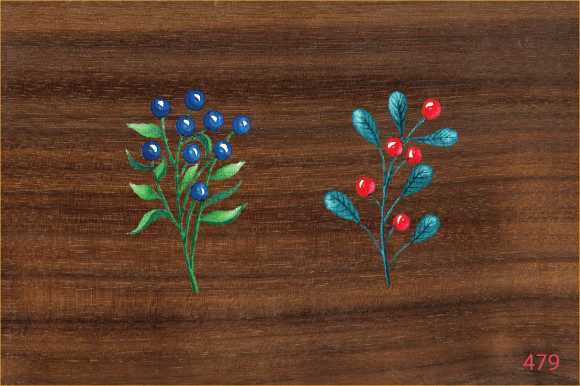
Review: Watercolor Hand Painted Leaf with Branch Design
As a designer who spends more time staring at stitch previews than actual fabric, I approach every new machine embroidery design with a healthy dose of skepticism. We have all seen those digital files that look breathtaking on a screen but turn into a tangled mess of thread breaks and puckering once they hit the hoop. That is why I took a close look at the Watercolor Hand Painted Leaf with Branch before committing it to any client project. This isn't just about whether it looks pretty; it is about whether it holds up under the needle and delivers value to the end user.
The first impression of this design is its mood. Unlike rigid, vector-style botanicals that can feel cold or overly technical, this piece captures the organic fluidity of a real watercolor painting. The layout suggests a gentle, sweeping motion, perfect for projects that need a touch of softness. For those of us working in the Illustrations category, finding a file that translates painterly strokes into tangible stitches without losing its soul is rare. The visual personality here is calm and earthy, making it an immediate candidate for home decor, boutique apparel, and high-end personalized gifts.
Real-World Application: The Boutique Tote Test
To truly evaluate this design, I imagined a specific real-life scenario: a custom order for a local botanical shop needing branded tote bags. These aren't just promotional items; they are meant to be carried daily, washed occasionally, and serve as a walking advertisement for the brand. The Watercolor Hand Painted Leaf with Branch fits this brief perfectly. When placed on a natural canvas or a heavy cotton twill, the design's flow complements the texture of the fabric rather than fighting against it.
In this context, the design acts as a statement piece. It is large enough to be noticed from across a room but detailed enough to invite closer inspection. For an Etsy seller or small shop owner, this kind of versatility is gold. You aren't just selling a bag; you are selling a piece of art that happens to be functional. The branch element provides a natural leading line that draws the eye, which is crucial for printable mockups and digital product previews where you need to grab a scrolling customer's attention instantly.
Performance on Various Fabrics and Garments
While the tote bag scenario is ideal, a professional reviewer must consider how this embroidery file behaves on trickier surfaces. If you are planning sweatshirt embroidery, the soft, blended look of the watercolor style works beautifully against fleece or French terry. However, you must be mindful of stitch density. Watercolor effects often rely on varied fill patterns to mimic brushstrokes. On thick fabrics, this is rarely an issue, but if you attempt this on a thin rayon blouse or a stretchy jersey for baby embroidery, you risk puckering.
For custom apparel like t-shirts, I recommend testing the design on a scrap piece of your exact fabric first. Pay close attention to the finer tips of the leaves. In some digitizations, these delicate points can get lost if the running stitch or satin columns are too wide. If the design includes dense areas meant to simulate darker paint pooling, ensure your stabilizer game is strong. A cut-away stabilizer is likely necessary here to maintain the integrity of the shape after multiple washes, preserving the finished product's professionalism.
Curved surfaces present another challenge. If you are applying this to a cap or a structured hat, the long, sweeping branch might distort if not hooped correctly. The curvature of the front panel can compress the design, making the leaves look squashed. In such cases, scaling the design down slightly or adjusting the placement to a flatter section of the garment is a smart move. Always check the recommended hoop size before starting; cramming a large, detailed illustration into a small hoop is a recipe for frustration.
Visual Appeal and Brand Consistency
Beyond the technical stitching, we must talk about value. How does the Watercolor Hand Painted Leaf with Branch affect the perceived worth of your item? In the world of commercial embroidery, perception is everything. A design that looks hand-painted suggests a higher level of craftsmanship, even though it was produced by a machine. This elevates the item from a simple commodity to a handmade product with artistic merit.
For creative entrepreneurs, this translates to better buyer engagement. Customers trust brands that pay attention to aesthetic details. Using a cohesive set of design assets like this one helps build brand recognition. If you are creating a line of holiday embroidery gifts or wedding favors, the organic nature of this leaf pairs well with linen napkins, apron hems, and pillow covers. It feels timeless rather than trendy, which extends the lifecycle of your product offerings.
However, color selection is critical. The "watercolor" effect often implies a gradient or multi-tone approach. If you are restricted to a limited number of thread colors, ensure the transitions still make sense. Sometimes, simplifying the palette can actually increase the clarity of the design, especially when viewed from a distance. Testing the design in black and white mockups can reveal if the contrast is sufficient to define the shapes without relying solely on color shifts.
Practical Notes for the Working Designer
Before you load this design into your machine for a paid order, here are a few practical steps to ensure success. First, verify the license terms. Just because a file is available for purchase does not automatically grant unlimited commercial embroidery rights. Confirm whether you can sell the finished product or if there are restrictions on the number of items produced.
- Fabric Testing: Always stitch out on a scrap of the actual material you intend to use. Fabric texture changes how threads lay and reflect light.
- Stabilizer Choice: For lighter fabrics, use a tear-away topped with a cut-away for extra support. For knits, a sticky stabilizer might help prevent shifting.
- Detail Inspection: Zoom in on the digital preview. Look for tiny, isolated stitches that might cause thread nests or breaks.
- Thread Contrast: Ensure your thread choices provide enough contrast between the leaf veins and the main fill to maintain the watercolor illusion.
- Washability: Consider the end use. If this is for a kitchen towel or baby item, the design must withstand frequent laundering without fraying.
Ultimately, the Watercolor Hand Painted Leaf with Branch is a strong contender for designers looking to add an artistic flair to their repertoire. It bridges the gap between digital precision and organic beauty. Whether you are creating an embroidered patch for a jacket, decorating a nursery, or building a collection of small shop products, this design offers the flexibility and visual impact needed to stand out. Just remember, the difference between a good stitch-out and a great one often lies in the preparation. Respect the material, understand the machine, and let the design do what it does best: bring a touch of nature to your creations.