Watercolor Clipart Bee Clipart Bumble Illustrations
As a graphic designer working on real client projects, I always look for design assets that add visual interest without overwhelming the overall concept. Watercolor Clipart Bee Clipart Bumble is one such illustration that brings a soft, whimsical energy to any creative project. Its gentle brushstrokes and organic shapes make it ideal for brands that want to convey warmth, playfulness, or a handmade aesthetic.
The First Impression: Soft, Playful, and Visually Inviting
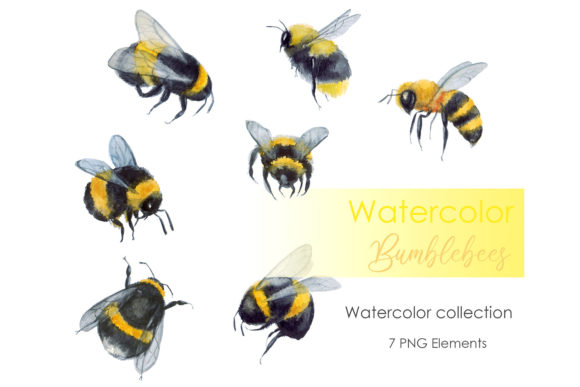
Watercolor Clipart Bee Clipart Bumble immediately evokes a sense of charm and approachability. The bee is rendered in a loose, watercolor style with subtle gradients and hand-drawn textures. This gives it a tactile, almost artisanal feel that stands out from more rigid, digital illustrations. It’s perfect for projects targeting a younger audience, eco-conscious brands, or businesses that want to emphasize craftsmanship and creativity.
The color palette is light and airy, with soft yellows, whites, and warm grays. This makes it adaptable to a range of brand identities, especially those leaning into pastel tones, earthy shades, or minimalist aesthetics. It doesn’t demand attention but rather complements other elements in a design, making it a great choice for supporting visuals rather than the main focus.
Real-World Applications: Where It Shines
In my experience, Watercolor Clipart Bee Clipart Bumble excels in several areas of design. For logo design, it can serve as a subtle icon or emblem, adding a touch of personality without being too busy. In brand identity work, it can be used as a repeating pattern or decorative element in stationery, packaging, or promotional materials.
It also works well in product labels, packaging design, and sticker design. Its soft edges and fluid lines make it easy to integrate into a variety of formats, from t-shirt design to mug art. When used in social media graphics or blog visuals, it adds a friendly, engaging tone that resonates with audiences looking for authentic, creative content.
For print-on-demand sellers and Etsy product creators, this clipart offers a unique, high-quality asset that can be used in printable designs, Canva templates, or Cricut projects. Its vector format (if available) allows for scalable use across different sizes, making it versatile for both digital and physical applications.
Best Fit: Large Layouts, Decorative Accents, and Themed Collections
Watercolor Clipart Bee Clipart Bumble thrives in larger layout areas where it can breathe and be appreciated for its detail. It’s ideal for hero graphics, product mockups, or themed collections that require a cohesive visual language. When used as a decorative accent, it adds depth and character without clashing with other design elements.
This illustration also fits well in seasonal campaigns, such as spring or summer promotions, where a fresh, natural vibe is desired. It can be part of a design bundle that includes other nature-themed illustrations, creating a unified visual system for a brand or project.
Where to Use with Caution: Minimalist Branding and High-Contrast Designs
While Watercolor Clipart Bee Clipart Bumble is visually appealing, it may not be the best choice for minimalist branding or high-contrast designs. Its soft edges and low saturation might get lost in a clean, modern layout that relies on bold typography and strong visual hierarchy. Similarly, it may not work well in professional corporate materials where a more structured and formal look is required.
When placed in crowded layouts or on complex backgrounds, the illustration can become distracting. It’s important to consider how it interacts with other elements and whether it enhances or detracts from the overall message of the design.
Impact on Readability and Visual Hierarchy
One of the key considerations when using any graphic design asset is how it affects readability and visual hierarchy. Watercolor Clipart Bee Clipart Bumble is best used as a supporting element rather than a focal point. It should complement text and other design components rather than compete with them.
For brand consistency, it’s important to ensure that the illustration aligns with the overall style guide. If the brand uses a lot of geometric shapes or sharp lines, this soft, organic illustration may need to be adjusted or paired carefully with other elements to maintain a cohesive look.
Practical Designer Notes: What to Check Before Using
Before incorporating Watercolor Clipart Bee Clipart Bumble into a client project, I recommend testing it in black and white to see how it holds up without color. Checking contrast on both light and dark backgrounds is also essential to ensure visibility and legibility.
Previewing the illustration at small and large sizes helps determine how it scales and whether it remains clear and recognizable. Placing it on real mockups—whether for a website, social media post, or product label—can reveal how it interacts with other design elements in context.
If the asset includes PNG transparency or SVG vector files, inspecting these formats ensures they meet the project’s technical requirements. Comparing the illustration with different font styles, such as serif, sans serif, script, or display fonts, can help find the right balance between text and image.
Finally, always confirm the commercial license before using any design asset for a client or business project. This ensures that the rights are clear and that the illustration can be used without legal issues.
Conclusion: A Versatile Asset for Creative Projects
Watercolor Clipart Bee Clipart Bumble is a valuable addition to any designer’s toolkit, especially for projects that benefit from a soft, artistic touch. Whether used in branding, packaging, social media, or print-on-demand products, it adds a unique, handcrafted quality that can elevate a design from ordinary to memorable.
Its versatility makes it suitable for a wide range of clients, from handmade businesses to small business branding efforts. As long as it’s used thoughtfully and in the right context, it can contribute to a more engaging, emotionally resonant design experience.